
What we build
Battery storage.
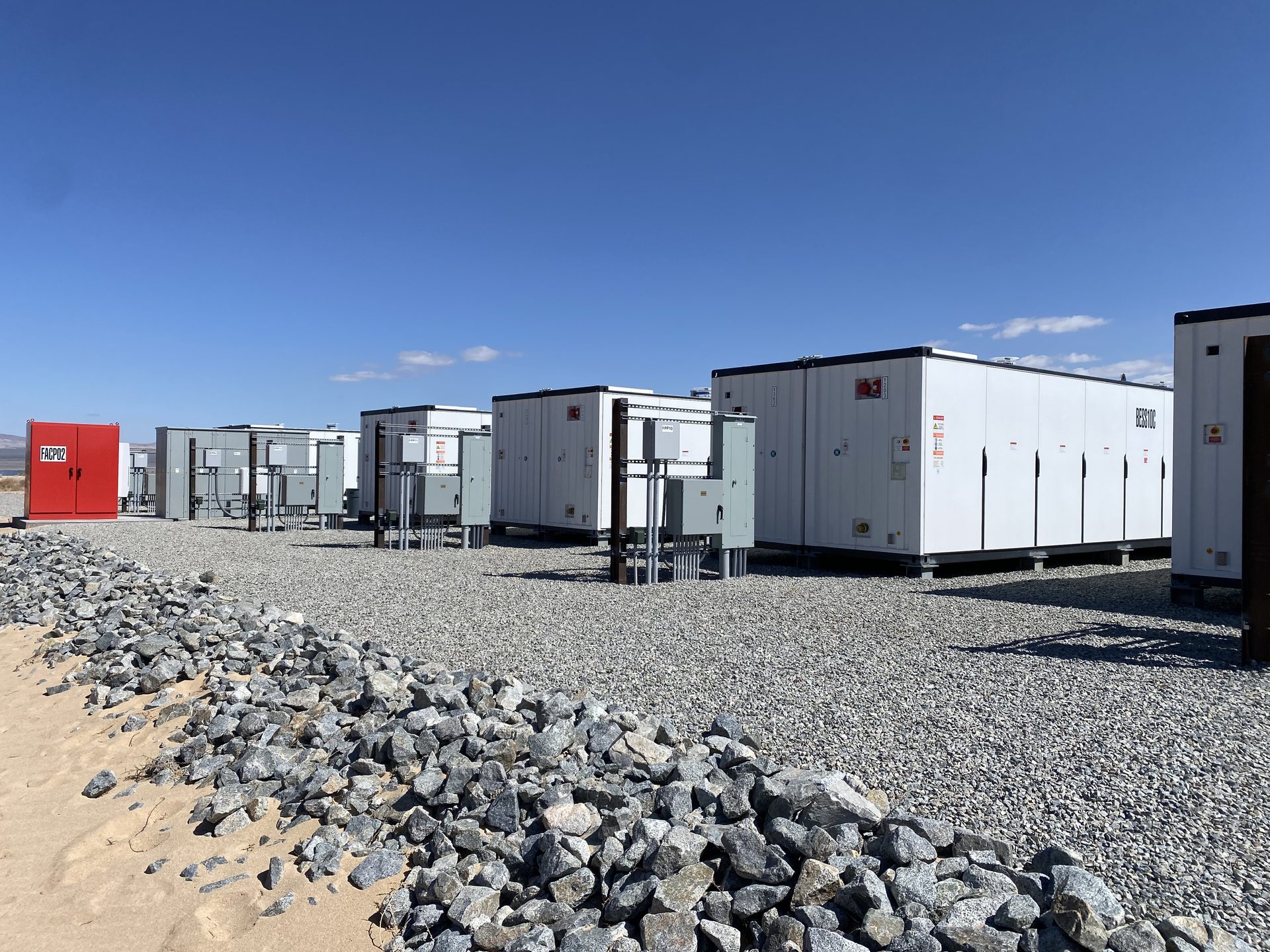
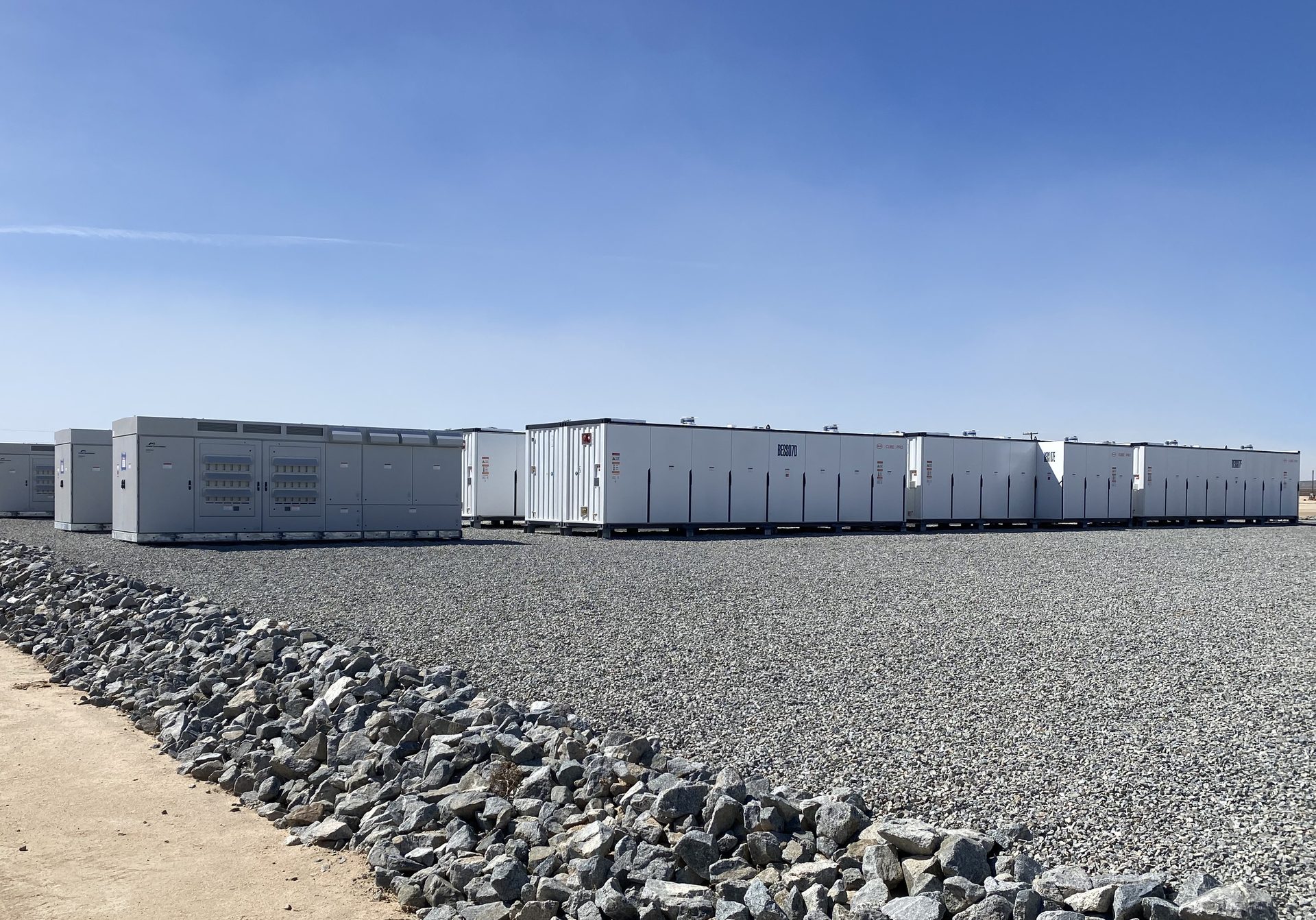
Capacity is the most valuable megawatt on the grid right now, and battery storage is the center of what Saga builds. We develop storage at two scales: Dispatchable Distributed Generation (DDG) and distributed storage on the local grid, and utility-scale standalone storage on the transmission system.
DDG and distributed storage
Dispatchable Distributed Generation (DDG) pairs local generation, usually solar, with battery storage so the combined output can be dispatched when the grid needs it most. Alongside DDG, we develop standalone distributed storage for utilities, co-ops, and commercial property owners.
Our default platform is four-hour LFP (lithium iron phosphate) in the 2 to 20 MW-AC range, interconnected at the distribution level (12 kV or 25 kV). We go longer where the offtake supports it, including capacity markets with long-duration accreditation windows, data-center backup applications, and rate structures that reward duration. And we go behind the meter when the tenant's load curve asks for it.
Utility-scale standalone storage
Utility-scale standalone storage connects to the transmission system and gives utilities and grid operators firm, dispatchable capacity where they need it. We size each project to the substation and interconnection capacity available, then build the revenue case around capacity contracts, tolling agreements, or market participation, depending on the region.
Who we build for
- Utilities and grid operators. Transmission-connected standalone storage that adds firm capacity and helps manage evening ramps.
- Rural electric co-ops. Distribution-level solar paired with BESS, sized around hosting capacity and capacity-value tariffs. We design around the co-op's actual load.
- Commercial property owners. Standalone storage or solar plus BESS as an additional revenue stream on your asset, with minimal disruption to existing tenant operations.
- Data centers and large-load customers. Behind-the-meter solar plus battery storage sized to your load curve, with a delivery shape that matches what your facility or campus needs.
- Landowners with 2 to 20 usable acres near substations or populated areas. Small standalone BESS projects fit cleanly here, with 25 to 30 year lease structures that protect your land.
Why storage now
Storage turns solar from an energy resource into a capacity resource. That matters for capacity-constrained co-ops, for ramping-price markets like SPP, and for any offtaker who needs firm clean delivery around the evening peak. Beyond renewables, standalone storage has become a core reliability tool for utilities of every size.
Pairing storage with load and generation
A DDG project placed next to a large or fast-growing load can serve that load's peaks and ease pressure on the local feeder. Strong pairings include:
- EV charging hubs and electric fleet depots for buses, delivery vans, and trucks
- Manufacturing plants and other industrial loads
- Cold storage warehouses and food processing facilities
- Water and wastewater treatment plants
- Agricultural irrigation and pumping loads
- Data centers, hospitals, and university campuses
At utility scale, standalone storage can also be paired with utility-scale solar or wind as a hybrid project. The battery shares the interconnection and shifts generation into the hours when power is worth the most. Our team has experience developing hybrid projects of this kind.